Why We Picked This Event
CELLSpace is a well-known name for those who are into alternative milongas. Homer Ladas founded CELLSpace on July 9, 2003, per the request of The Secret Tango Society. Over the years, the event moved through a few different locations, including two in San Francisco and one in Emeryville. He continued to host CELLspace East in East Bay Emeryville at Athletic Playground until February 2020. Homer is a founding member of the non-profit Project Tango organization whose biggest local projects included the weekly CELLspace alternative milonga.
In September 2025, Jericha Senyak and Dexter Lohnes announced that they were going to continue the CELLSpace tradition. They had met at CELLspace dancing tango (thanks to Homer) and later they decided to build a life together as husband and wife.
Jericha and Dexter also mentioned that if the event was successful, they would make it monthly. And here we are: the event has now become a regular monthly event.
There was a Halloween milonga with a costume competition in October, a Gratitude Milonga in November, a Hearts & Flowers Edition in February, a Green & Glamorous Edition in March, an Opposite Day Edition in April, and now a Red & Gold Edition in May, with more months to follow. For updated schedules and locations, it is best to check the My Events Bridge website.
What Is an “Alternative Event”?
An alternative tango event is a style of Argentine tango danced to non-traditional music, such as pop, rock, blues, or electronic music, rather than only classic tango orchestras. It allows you to express yourself more creatively, often featuring a 50/50 mix of traditional and modern music, and is characterized by a relaxed atmosphere compared to traditional milongas. Alternative music gives the night a more playful range, but the usual respect for partner comfort, floorcraft, and shared space still matters.
Event Details
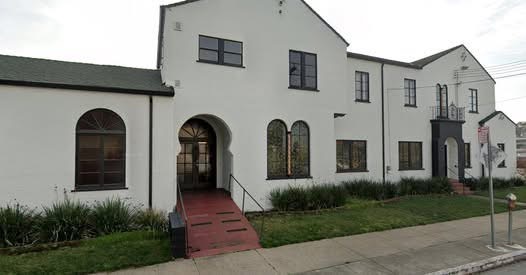
Location: 3630 Telegraph Ave, Oakland, CA 94609.
Time: 7:00 pm–8:00 pm all-level class with rotating teachers; 8:00 pm–11:30 pm milonga with rotating DJs.
When: Every first Wednesday.
Fee: Sliding scale $10–$40.
Payment: Cash or Venmo at the door. You do not need to register prior to the event, but please check My Events Bridge beforehand for any updates.
Parking: Street parking is available, but arriving early helps. As with many busy urban areas at night, avoid leaving valuables in your car and stay aware when walking back.
Food & Drinks: Tasty snacks are available. BYOB is allowed, but no hard alcohol. Also, bring your own water bottle.
About the Location
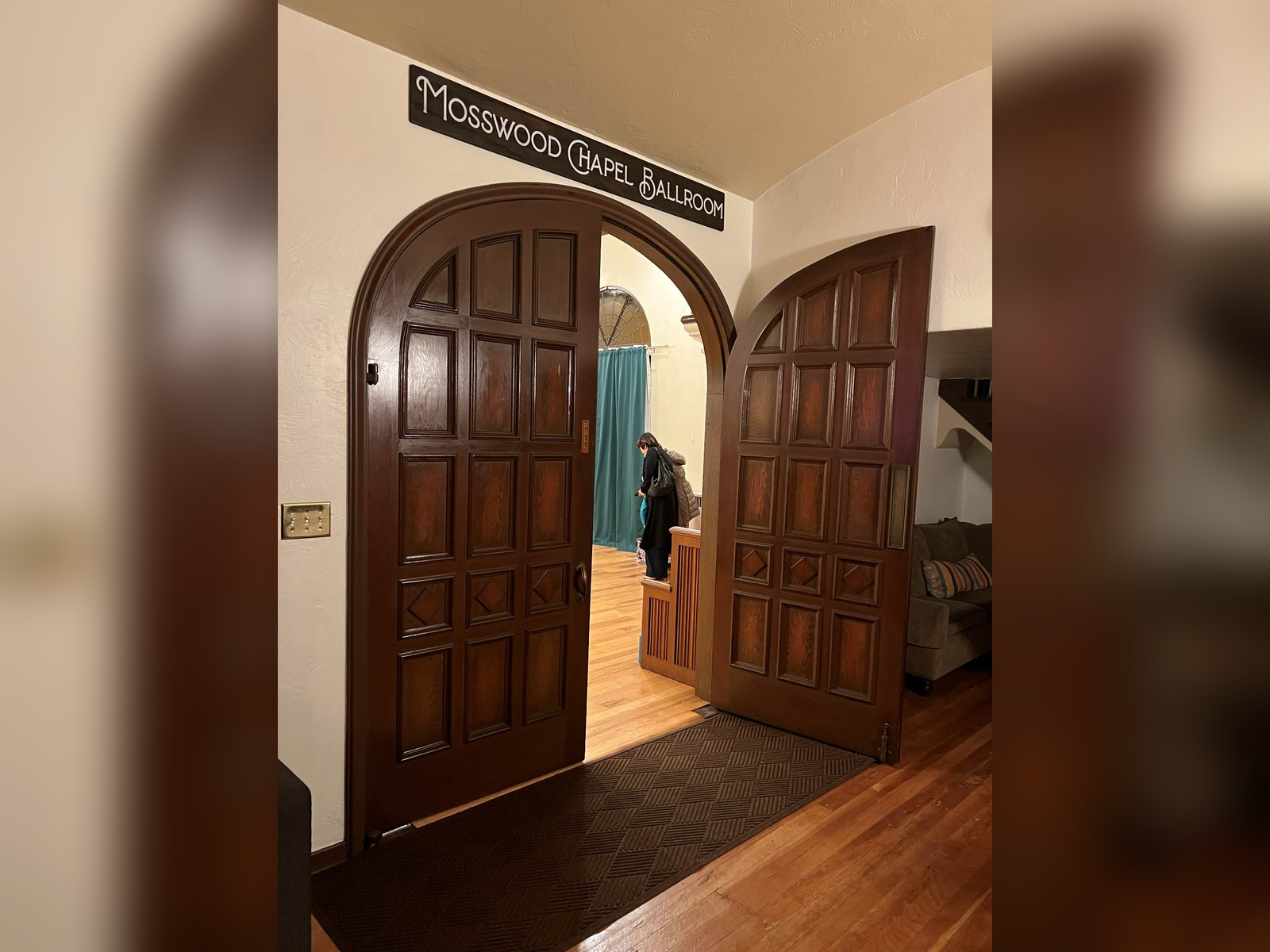
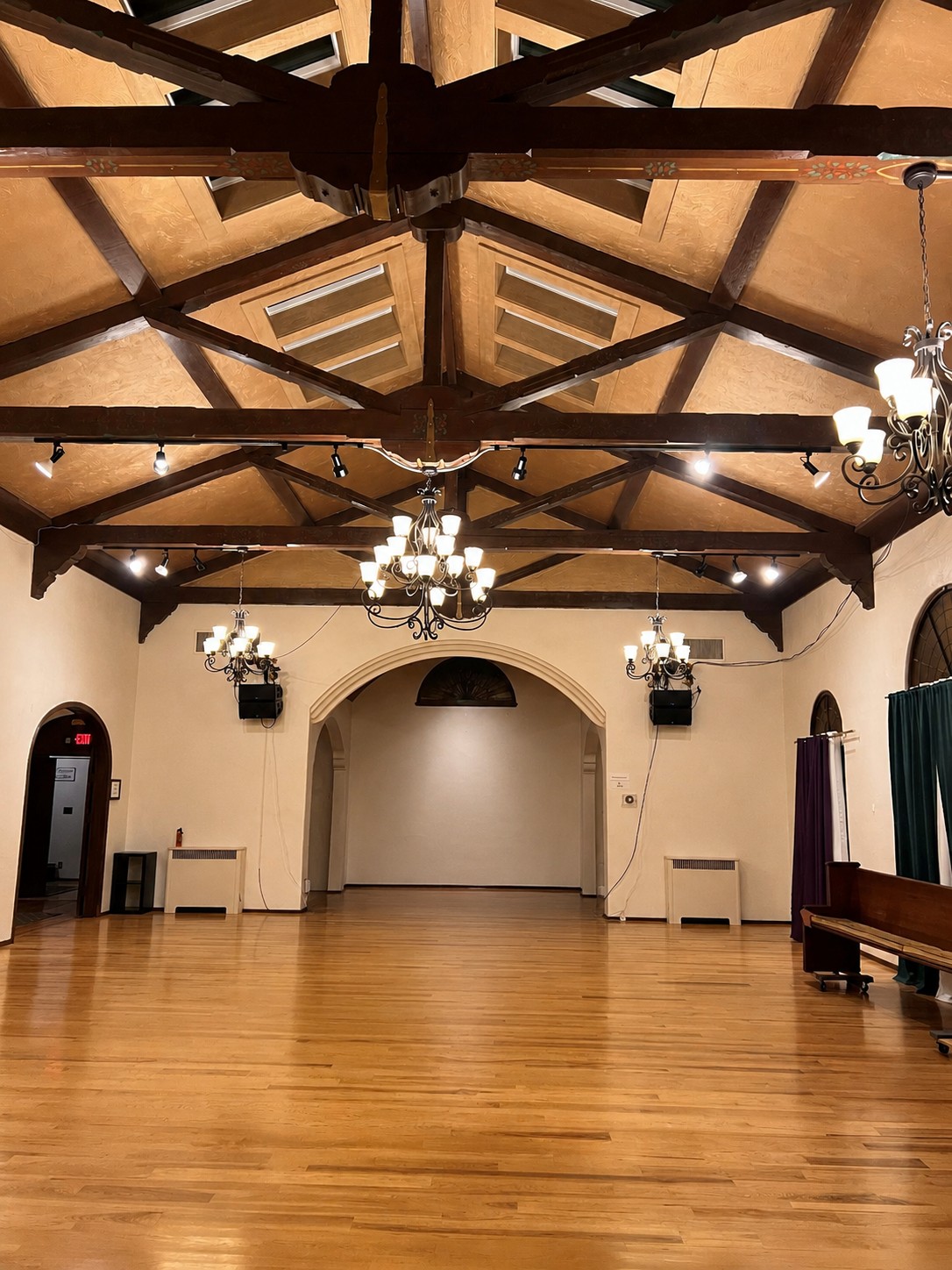
The Oak Grove has four rooms with capacities ranging from 30+ people to 200+ people, along with four bathrooms and two kitchenettes. While this is a non-profit organization that provides a community space for different purposes, from birthday parties to organizational meetings, multiple dance event hosts have recently started choosing the space for dance classes and events. You might end up coming to the same place for different dance events and genres. For tango, chairs were placed around the room. Plenty of seating, and a beautiful smooth dance floor.
A Quick Guide to Feeling Ready for the Night
Shoes
Since this is an alternative event, you can wear any shoes. Heels, flats, sneakers with or without non-slip dance socks, you can even see people wearing just socks. In other words, this is not the night to panic because you packed the “wrong” shoes. Your feet have options.
Dress Code
You can wear whatever you want; the dress code is pretty flexible. On the other hand, Jericha announces each month’s concept and suggests the color of the month if you need ideas on how to dress up for the night. Each month has a different concept and color.
Partner
No partner is needed. You may be invited through the traditional tango cabeceoA traditional tango invitation using eye contact and a small nod or head movement to ask for and accept a dance., or someone may directly ask, “Would you like to dance?”
Asking for a Dance
Although this is an alternative event, the use of tango códigos is still encouraged, especially when entering and exiting the dance floor, respecting the line of dance, and dancing in a way that respects the space and safety of your partner and those around you. If for any reason you need to exit a dance for your own safety or comfort, saying “thank you” should be respected as an ending to the dance without argument or caveat.
Skill Levels
If you are brand new, the pre-milonga class is probably your best first step before jumping into the full social dance evening. They welcome beginners, although it is recommended that folks have some experience with tango before attending.
Alternative music can sometimes inspire larger movements, so for everyone’s shared safety it is recommended to keep your ganchosGancho means “hook.” In tango, it is a leg action that can be executed to the inside or outside of the partner’s supporting leg, though modern tango technique also allows it in the center between the partner’s legs. and boleosBoleo comes from the Spanish word connected to “throw” or “whip.” In tango, it refers to a dynamic whipping or throwing movement of the dancer’s free leg. contained, and absolutely no lifts are allowed on the social floor. Even if you know you can do them safely, others may see you doing them and attempt movements that aren’t safe for them or their partners.
Snacks & Water
Tasty snacks are available. BYOB is allowed, but no hard alcohol. Also, bring your own water bottle.
Vibe
A queer- and switch-friendly tango event featuring a mix of alternative and traditional music depending on the DJ’s selection. Every DJ has a different approach, but all of them play a broad selection of music from various genres.
Crowd Size
On September 10, 2025, the room was packed. In general, the crowd is around 50–75 people.
Stories from the Dance Floor
FOMC: Fear of Missing a Cabeceo
FOMC — fear of missing a cabeceo — is real. It is tango’s version of checking your phone, except the phone is the entire room and everyone is making intense eye contact. FOMC exists, but like any other fear, you learn how to deal with it.
The fear usually manifests in a few specific ways for dancers in the tango community:
- Because the cabeceo ritual is so subtle, dancers often feel they have to constantly scan the room during the cortinaThe short musical break between tandas, often used to clear the dance floor and invite a new partner.. If you look away for ten seconds to take a sip of water, you might miss the one person you really wanted to dance with trying to catch your eye.
- You might find yourself sitting perfectly still and staring intently at the crowd, afraid that if you move or talk to a friend, you’ll miss an invitation.
- There is a specific sting in realizing that someone was looking for you and you missed it, or worse, realizing you accidentally caught the eye of the person behind your intended partner (the “False Positive”). The “False Positive” is when you think the cabeceo is for you, but it turns out your ego was dancing one step ahead of reality.
In a way, it is one of the most polite and safe ways to invite someone while also allowing for a silent, private rejection. The downside? It requires 100% visual attention. Still, it happens.
So what do we do? Instead of comparing yourself with others based on how many cabeceos you are getting, it is important to focus on the present. Remind yourself that you do not have to dance every tandaA set of tango songs, usually three or four, danced with the same partner before the next cortina.. You can socialize or just watch the dance floor. You can enjoy the music and the community atmosphere. This is where you realize that the music is particularly different that night.
Alternative Tanda
Imagine you are dancing to Yasmin Levy, Michael Nadtochi, and Édith Piaf in one tanda as an alternative tango. The DJ Jordana was kind enough to put the names of the orchestras for traditional tandas and the singers for alternative tandas at her DJ desk in front so that everyone could track the music. We were very appreciative. This is not something that you see at every tango event.
Thanks to my tango partner at the time, he danced us toward the desk so that we could read the names clearly. Not a joke, it really happened. This was not investigative journalism. This was just two dancers trying to decode the tanda while staying in the ronda, and when the tanda finished, he took the picture with his iPhone to share with me—with one click.
I Think I Know You
Back to cabeceo: from the other side of the room, I noticed the look and nodded. As we walked toward each other, his face looked familiar. He said, “I think I know you,” and I said, “I think I know you as well.” Then he remembered my name, and I remembered his. In between the songs, we remembered that we met at Genesis sharing a tanda and then we both had attended the Otros Aires concert at Great American Music Hall in San Francisco on October 12, 2017.
We tango dancers sometimes take a break or pause. Life, work, and family responsibilities get in the way, yet ultimately, we find our way back to the dance floor and to different environments when tango is deeply embedded in our core and soul.
Summary
If you are a beginner and would like to try a milonga in a more comfortable setting, this is a good one to try. If you have been dancing tango for a long time and would like to dance to alternative music, or if you have taken a break and are coming back to milongas, this could be an easy transition back into the milonga world. Bring comfortable shoes, water, a layer, and your curiosity. The last one does not fit in a bag, but it helps.
Support the Rhythm
Events like this continue because people show up, share, and help the community stay connected. If you enjoyed the night, one simple way to support the rhythm is to share the My Events Bridge page with someone who might be curious about tango, alternative music, or just trying something new on a Wednesday night.
If you’d like to support the work behind this platform, you can do so through Buy Me a Coffee. Your support helps sustain the time spent attending events, writing reviews, and maintaining a space where dancers can explore Oakland and Bay Area dance events and connect through movement with more awareness.
Your support — through Buy Me a Coffee, sharing this platform, or returning when planning your next dance — helps keep this rhythm moving forward.
Thank you for being here.
Back to Blog